
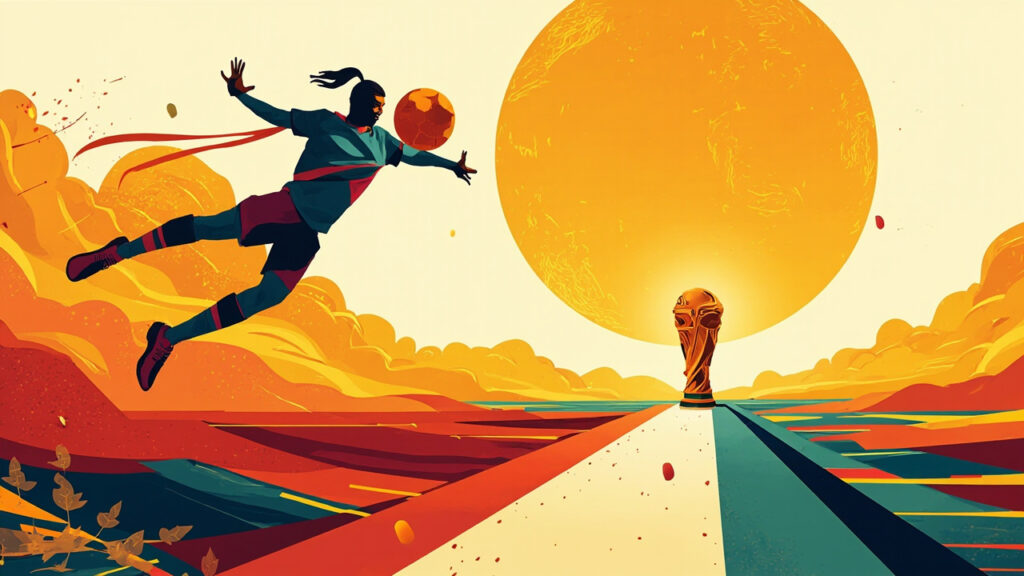
The Confederation of African Football kicked off its qualifying campaign for the 2026 FIFA World Cup, launching what promises to be the most significant continental race for global tournament places in African football history. With the expanded 48-team World Cup approaching, CAF nations are competing for an unprecedented nine guaranteed spots, a substantial increase from the five slots allocated for the 2022 tournament in Qatar.
The first round of matches delivered immediate drama across the African continent. Heavyweights including Senegal, Ghana, and Nigeria demonstrated their class, while several underdogs announced their intentions with surprising results that reshaped early group dynamics. The qualification landscape has shifted dramatically, with the increased allocation breathing new hope into nations that previously faced near-impossible odds.
Africa’s journey to the 2026 World Cup carries profound historical weight. The continent’s representation at football’s premier competition has grown steadily since Morocco became the first African team to reach the knockout stages in 1986. Cameroon reached the quarterfinals in 1990, a feat matched by Ghana sixteen years later. These milestones established benchmarks that current generations of African players aspire to surpass. The 2026 expansion represents the largest opportunity yet for the continent to establish itself prominently on the world stage.
The qualification structure groups African nations into ten pools, with winners automatically advancing to the World Cup and runners-up entering a playoff gauntlet for additional berths. This format ensures sustained tension throughout the campaign, as group leaders cannot afford complacency and mid-table contenders retain realistic qualification hopes far into the qualifying calendar.
Senegal, as current African champions and the continent’s highest-ranked nation in FIFA’s listings, opened their campaign with characteristic authority. The Teranga Lions, captained by Chelsea defender Kalidou Koulibaly, have built their reputation on defensive solidity and clinical counter-attacking. Their tactical discipline under coach Aliou Cissé positions them as heavy favorites to claim their group, though the Teranga Lions must navigate challenges from determined opponents seeking to capitalize on any slippage.
Nigeria’s Super Eagles launched their campaign amid heightened expectations following the 2023 Africa Cup of Nations final appearance. With a roster blending experienced internationals and emerging talents from European leagues, Nigeria possesses the depth required for a sustained qualification push. The West African nation’s attacking options, including forwards from top-tier European clubs, provide coach Finidi George with versatile tactical choices as the campaign develops.
Ghana’s Black Stars, despite recent struggles in continental competition, remain capable of producing qualification heroics. The nation’s footballing infrastructure and youth development systems continue churning out talented players ready for the international stage. Ghana’s first-round results will establish whether this generation can restore the program’s former glory.
The expanded qualification race has sparked renewed ambitions across the continent. Nations like Burkina Faso, DR Congo, and Mali possess rosters capable of challenging traditional powers, while traditionally smaller footballing nations view the increased slots as realistic pathways to maiden World Cup appearances. This competitive democratization strengthens African football’s overall quality by ensuring more nations invest in elite development programs.
Tactical evolution characterizes the modern African qualifying campaign. European-based coaches and players have raised technical standards across CAF, while domestic leagues in South Africa, Egypt, and Morocco provide competitive environments for homegrown talent. The convergence of these factors creates a qualification battleground where tactical sophistication and physical resilience prove equally important.
The World Cup expansion carries financial implications that extend beyond tournament participation. Qualification brings substantial revenue through FIFA distributions and increased sponsorship opportunities, resources that can transform national football programs for years following qualification. For developing footballing nations, the stakes transcend sporting achievement, representing potential catalysts for broader sporting infrastructure improvements.
Environmental and logistical challenges continue testing African qualification campaigns. Traveling between distant corners of the continent demands physical resilience and strategic squad management. Nations must balance domestic league commitments with international duties, creating complex scheduling negotiations that test federation relationships with club employers.
Looking ahead, the qualifying marathon will intensify as groups take shape and decisive fixtures approach. Weather conditions in various regions will influence tactical approaches, while the international calendar creates windows for concentrated match action. Player fitness and availability will prove decisive, with injuries to key figures potentially derailing campaigns that appeared firmly on track.
The 2026 World Cup hosts—United States, Canada, and Mexico—will welcome African representatives to North American soil, competing in stadiums renowned for atmosphere and modern infrastructure. For African nations, this represents more than participation; it offers platforms to demonstrate continental football’s evolution and challenge lingering perceptions of African underperformance on global stages.
As qualification progresses, African football enters a transformative period. The expanded World Cup allocation validates the continent’s growing influence in international football while presenting unprecedented competitive opportunities. Every match in the coming months carries weight, with nations pursuing dreams that could reshape their footballing futures. The journey toward the 2026 World Cup has begun, and African football stands ready to seize its moment.